Teacher mode is on — the gray boxes are yours only. This lesson is a guided
discussion; the gray boxes hold the talking points and the "answers." Flip the
switch (bottom-right) to preview the student view.
You're in a robotics class, so you should probably be able to say what a robot
is. That turns out to be harder than it sounds. Before you touch the XRP, you'll
look at a lineup of machines — some obviously robots, some obviously not, and a few
that will split the room — and argue it out until a definition emerges.
Learning Objectives
By the end of this lesson you will be able to:
Argue whether a given device is or isn't a robot, and say why
Work out, from the examples, what every robot has to be able to do — and state it as a short definition
Explain why the classic "mechanical arm" definition isn't enough anymore
Describe how the XRP — and this course — fits that definition
For most of the last century, a robot was easy to spot: a metal figure with a
visor, walking stiffly out of a flying saucer in a black-and-white movie. Nobody
argued about whether that was a robot.
Gort, from The Day the Earth Stood Still (1951) — the robot everyone recognizes. Today the line is a lot blurrier.
Today the machines around us are smarter and much less obvious. So: is the thing
in your pocket a robot? The car in the driveway? The washing machine? Let's find
out where you draw the line.
You're about to see eight devices. For each one, before your class discusses
it:
Decide: robot or not a robot. (You have to pick — no "not sure.")
Say why. Write one sentence: what is it about this device that makes it
a robot, or keeps it from being one?
There's a fill-in box under every picture — record your answer there (or on
paper) as you go. You'll look back over all eight once you've seen them all.
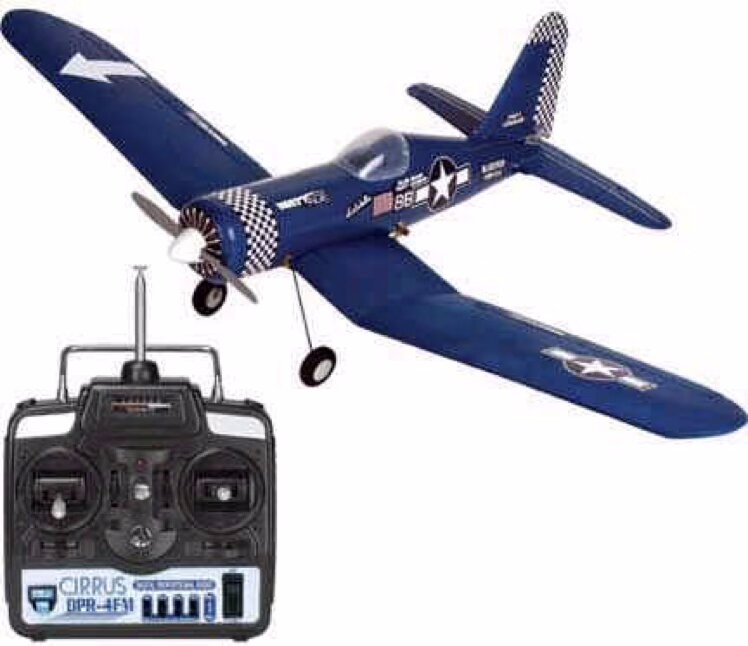
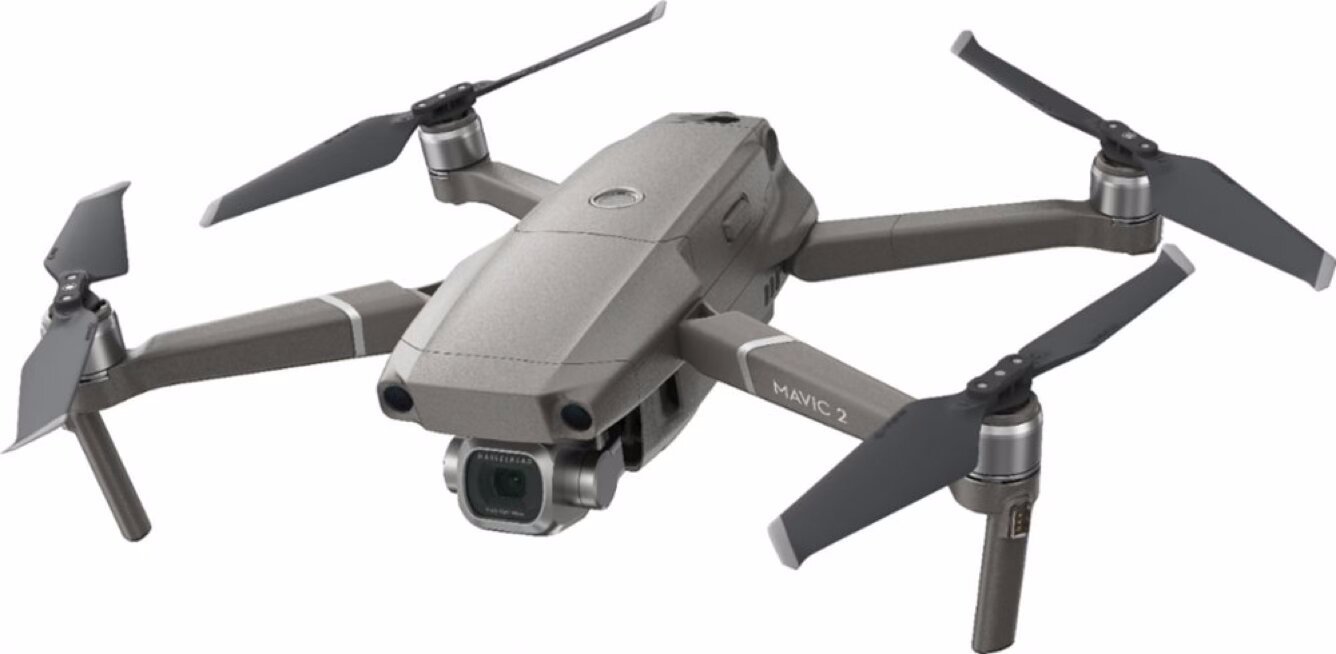
Also flies, also has a controller in the box. Same answer as the airplane?
Think about it: Also flies, also comes with a controller. If the pilot lets go of the sticks, what happens? If your answer is different from the airplane's, what makes the difference?
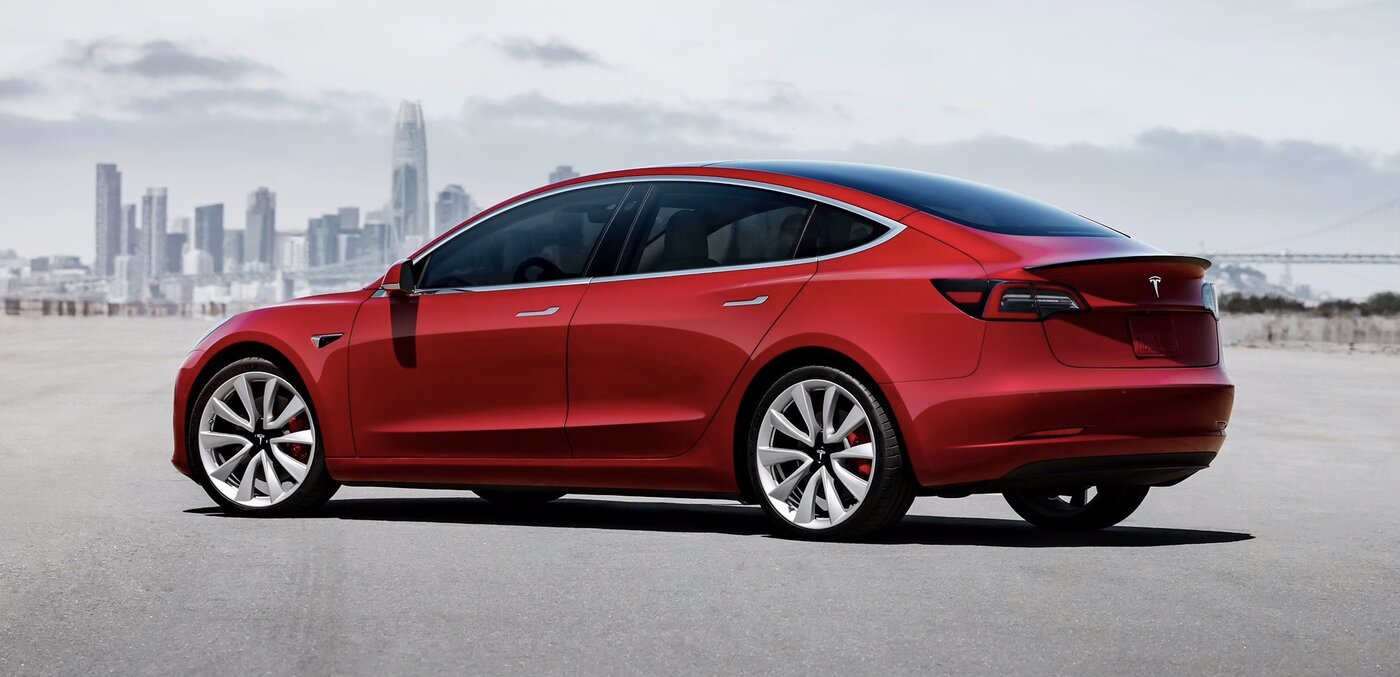
Think about it: Answer once with a person driving. Now answer again with the car in self-driving mode. Did your answer change? If so, what changed about the car?
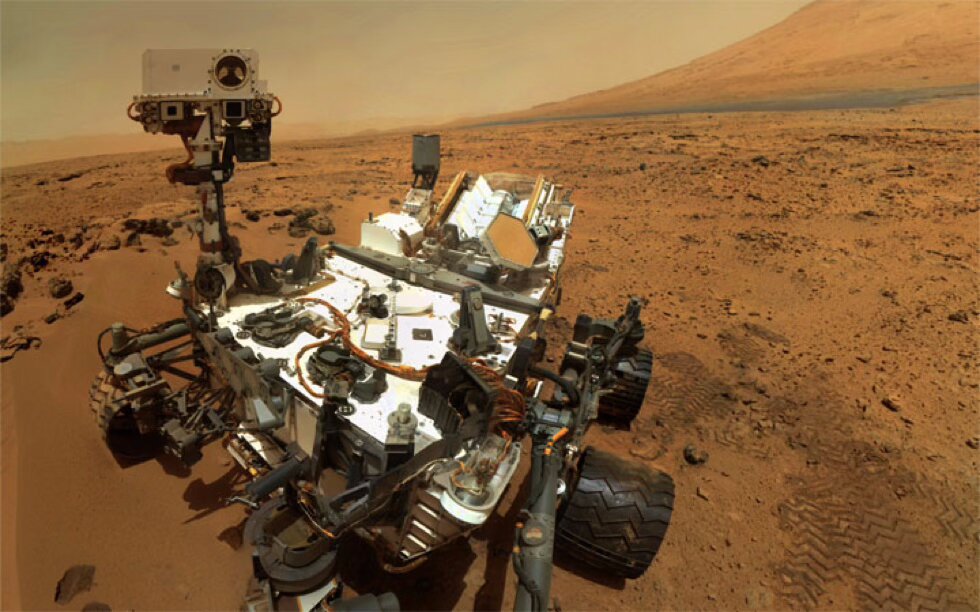
A rover on Mars, hundreds of millions of kilometers away.
Think about it: A radio signal to Mars takes several minutes each way. What does that mean for how the rover gets driven? Compare with the RC airplane.
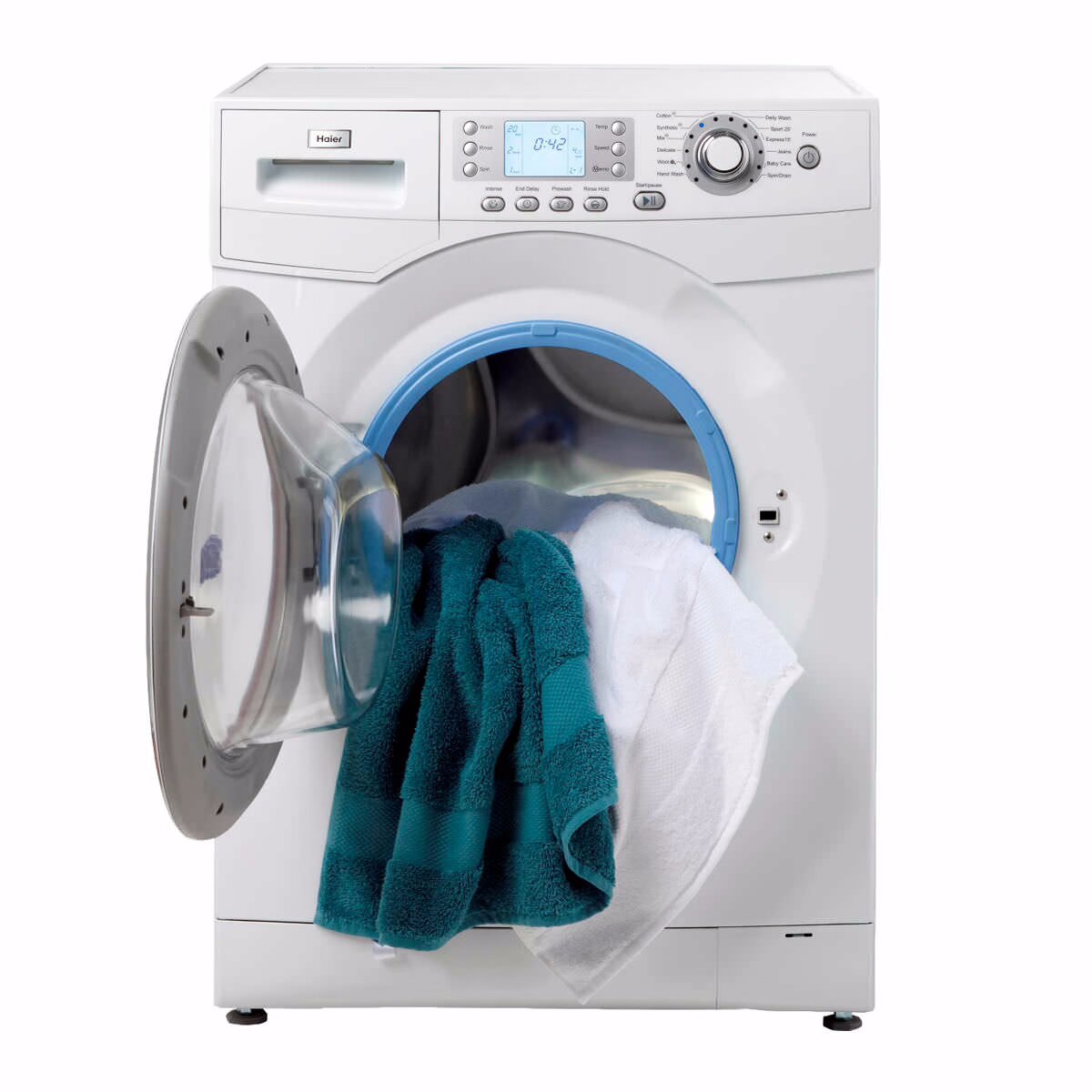
A washing machine. Think carefully before you answer.
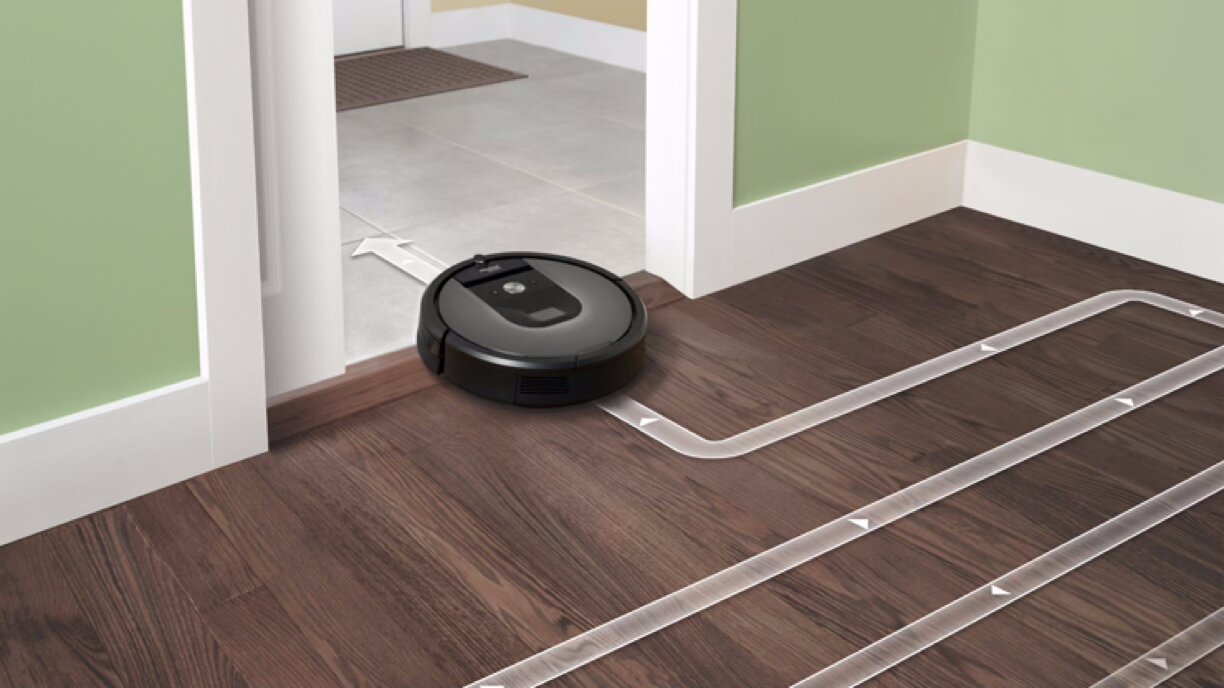
Think about it: Press start and walk away. What does it do on its own? Now look at what you wrote for the vacuum that drives itself — are you being consistent?
Washing machineRobot?
Before reading on, scroll back through your eight Why? answers. What do your
"yes" reasons have in common? What do your "no" reasons have in common? Try to
write the rule in one sentence — "A device is a robot if it ______." Then see
how close you got.
Here's the definition engineers wrote back in 1979 (the Robot Institute of
America): a robot is "a reprogrammable, multifunctional manipulator designed to
move material, parts, tools, or specialized devices through various programmed
motions for the performance of a variety of tasks."
In plain English: a programmable mechanical arm that does factory work —
assembly, welding, painting. The classic jobs are the three Ds: work that's
dirty, dull, or dangerous for people.
That definition was fine for 1979. But check it against the eight devices: a Mars rover isn't
a "manipulator," and neither is a drone or a robot vacuum. The definition is too
narrow for the robots we actually have. Let's try again.
Knowledge Check
Which device from the lineup does the 1979 'reprogrammable manipulator' definition clearly leave out, even though almost everyone agrees it's a robot?
The robotics engineering program at WPI uses three traits instead. A robot must:
Sense — take in information about the world with some kind of sensor.
Think — process what it sensed; make a decision based on it.
Act — do something in the world based on that decision: move, grab,
change something.
1 · Sense
Take in the world
Cameras, bump sensors, distance sensors, GPS, light sensors — some way of finding out what's out there.
2 · Think
Decide
A program that turns sensor readings into a choice: turn left, stop, go home, grab here.
3 · Act
Change the world
Motors, wheels, arms, propellers — something that carries the decision out physically.
A robot must sense, think, and act. Miss one and it's something else: a
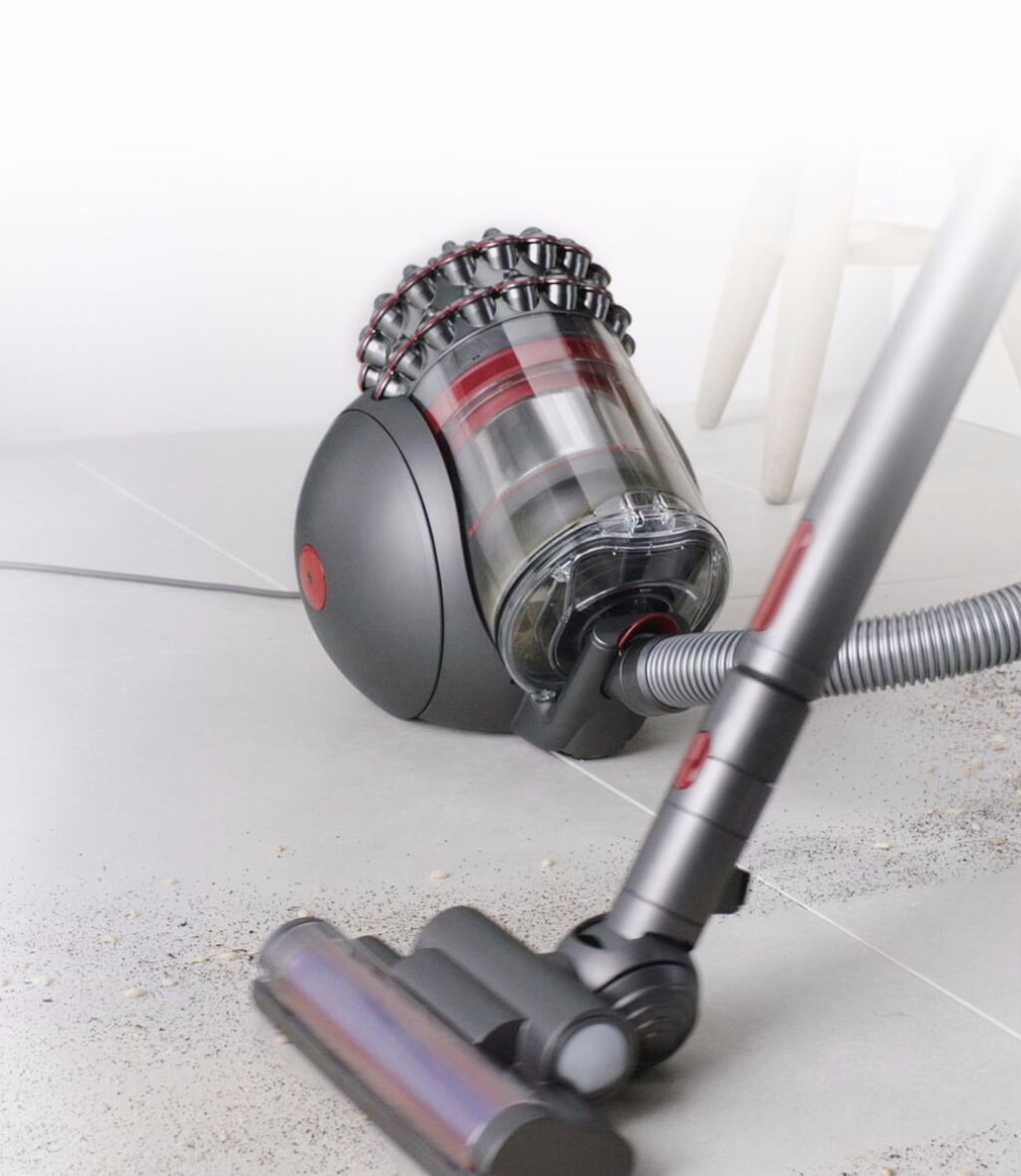
machine that only acts is a tool (the vacuum); a machine where a person does the
sensing and thinking is remote-controlled (the airplane).
Knowledge Check
Using sense–think–act, why isn't the RC airplane a robot?
Knowledge Check
Why can't NASA fly a Mars rover the way you'd fly the RC airplane?
Knowledge Check
A washing machine senses the load, follows cycle logic, and spins on its own. Under sense–think–act, what's the honest answer?
Robots are worth building because they combine so many ideas at once. A
competition robot built by high-school students senses where the balls and
the goal are with a camera, thinks — using trigonometry to aim — and
acts, driving into position and shooting. A climbing robot needs torque, gear
ratios, and speed calculations just to get off the ground. Robotics is where math,
physics, and programming stop being separate subjects.
A FIRST competition robot built by high-school students: it senses where the balls and goal are with a camera, thinks (trigonometry to aim), and acts — shooting into the goal.
Now look at the robot on your desk with those three words in mind:
Sense
The XRP's senses
Reflectance sensors that see light vs. dark, an ultrasonic rangefinder that measures distance, and encoders that count how far each wheel has turned.
Think
The XRP's brain
The controller board runs your program. Every decision it makes is one you wrote — in Blockly first, then in Python.
Act
The XRP's muscles
Two motors, one per wheel. That's enough to drive straight, turn, curve, and spin.
And this is exactly the shape of the course. In Module 1 you'll mostly teach
the XRP to act — driving, turning, drawing shapes. In Module 2 you'll add
sensing, so it can follow a line and react to what it sees. By Modules 4
and 5 the thinking gets serious: your robot will plan its own route across a
grid and re-plan around obstacles it discovers. By the end, the XRP will be doing
all three — a robot by anyone's definition.
The XRP isn't a toy, either — the same robot is used in a college sophomore
programming course. The tools you'll learn here are the real ones.
Knowledge Check
Which of the three traits will you spend most of Module 1 on?